
How Adaptive Reuse Is Reshaping Hospitality Development Part I
Insights
The New Math of Hospitality
For most of the past several decades, hospitality development followed a familiar script: find a site, secure financing, break ground. New construction was the default. It was predictable, programmable, and financeable.
That script is harder to follow today. Construction costs remain dramatically elevated from pre-2020 baselines (34.7% since 2019, per RSMeans) and capital markets have grown increasingly cautious about new hospitality construction. Lenders who were comfortable underwriting ground-up hotel projects a few years ago are now asking harder questions about feasibility, timeline, and return.
At the same time, hospitality has shifted away from the standardized comfort that long defined major brand families. The growth of soft brands and collections reflects a market increasingly drawn to craft, heritage, and local authenticity.
For developers with access to the right existing building, adaptive reuse can sometimes solve the pro forma in ways new construction cannot. Not always. Not automatically. But with the right building, the right program, and the right expertise, adaptive reuse can deliver a hospitality product that is financially compelling, operationally viable, and increasingly aligned with what the market wants.
Across the country, developers are reexamining existing buildings not simply as compromises, but as strategic opportunities.

The Financial Case Depends on Early Strategic Evaluation
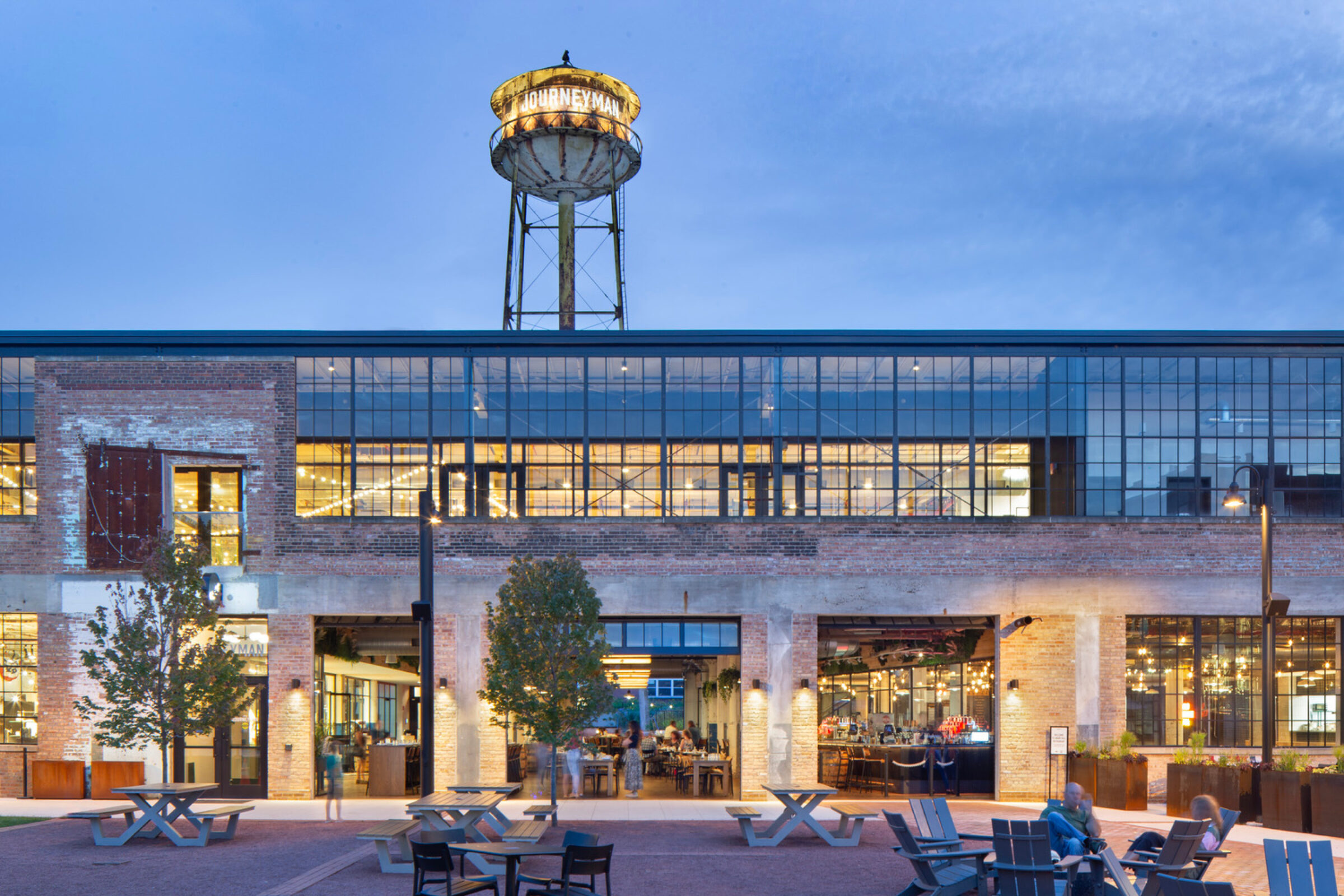
The experiential argument for adaptive reuse is easy to make. Guests are drawn to places with history, texture, and story. A hotel in a converted mill or a repurposed school carries an authenticity that new-construction simply cannot replicate.
But the financial argument is what gets projects off the ground.
When a building qualifies for historic designation, a developer gains access to one of the most significant financing tools in real estate: the Historic Preservation Tax Credit Program (HTC). The federal Historic Tax Credit offers a 20% credit against qualified rehabilitation expenditures and many states layer additional credits on top, in some cases as much as an additional 20%. In some jurisdictions, combined federal and state credits can offset up to 40% or more of qualified rehabilitation expenditures.
On a $20M rehabilitation, that is potentially $4-8M in credits that fundamentally change the pro-forma.
The catch is that accessing these credits requires navigating a specific federal process:
- Getting a building listed on the National Register of Historic Places.
- The Part 1 application to establish historic character.
- The Part 2 preliminary application to document the scope of work.
- The Part 2 final and Part 3 certifications to confirm the rehabilitation meets Secretary of Interior Standards.
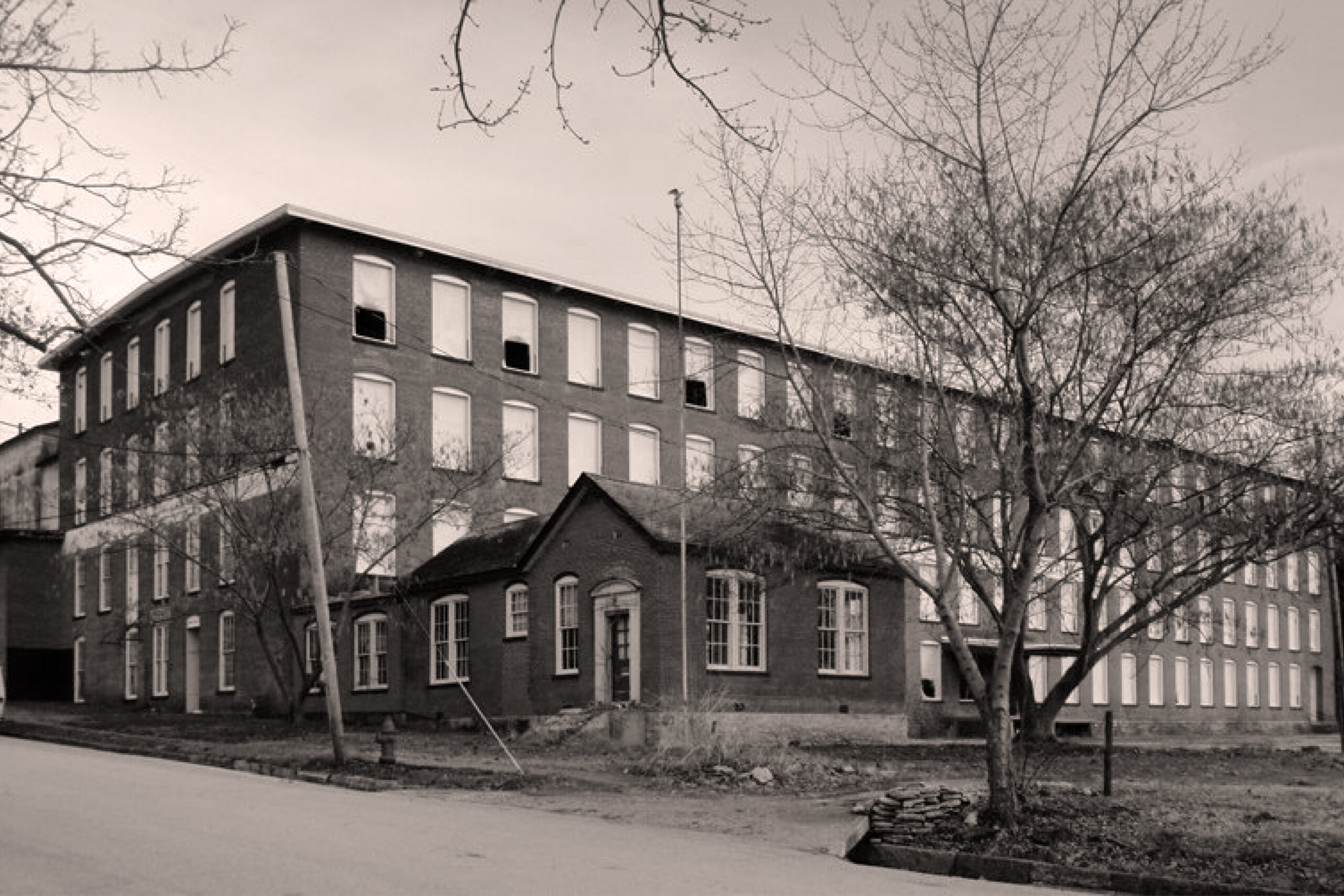
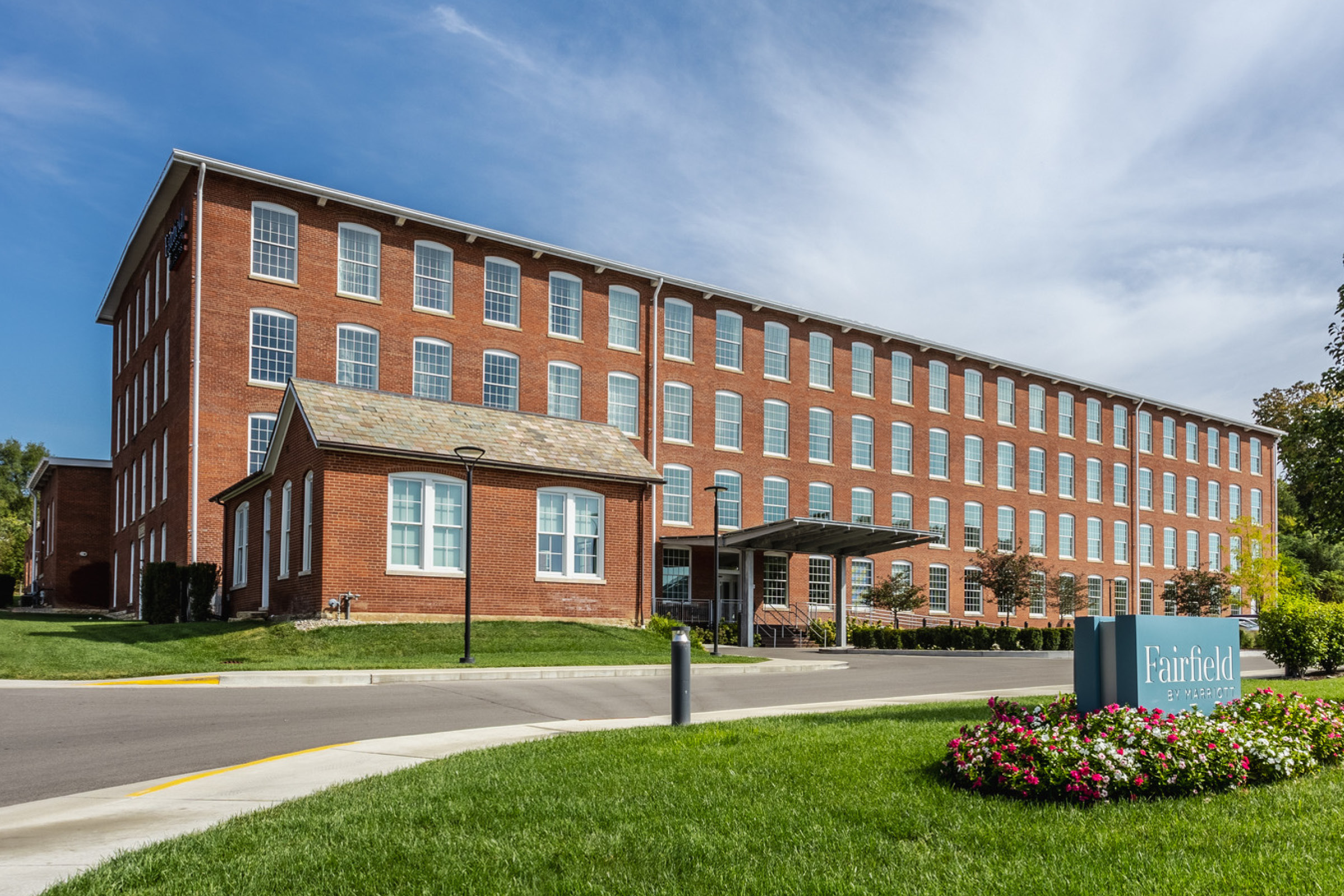
Each step carries specific requirements and review standards that can materially affect both eligibility and the ultimate value of the credits. Successful projects require close coordination between ownership, design teams, preservation consultants, and reviewing agencies to ensure that rehabilitation strategies align with the Secretary of the Interior’s Standards while still supporting modern hotel operations and guest expectations.
The challenge is not simply securing historic designation, but understanding how preservation requirements, operational realities, and financial objectives intersect. Early evaluation of eligibility, qualified expenditures, and design implications can fundamentally shape project feasibility long before a developer commits to acquisition or construction.
In many cases, those early assessments become the foundation for projects that otherwise would not move forward.

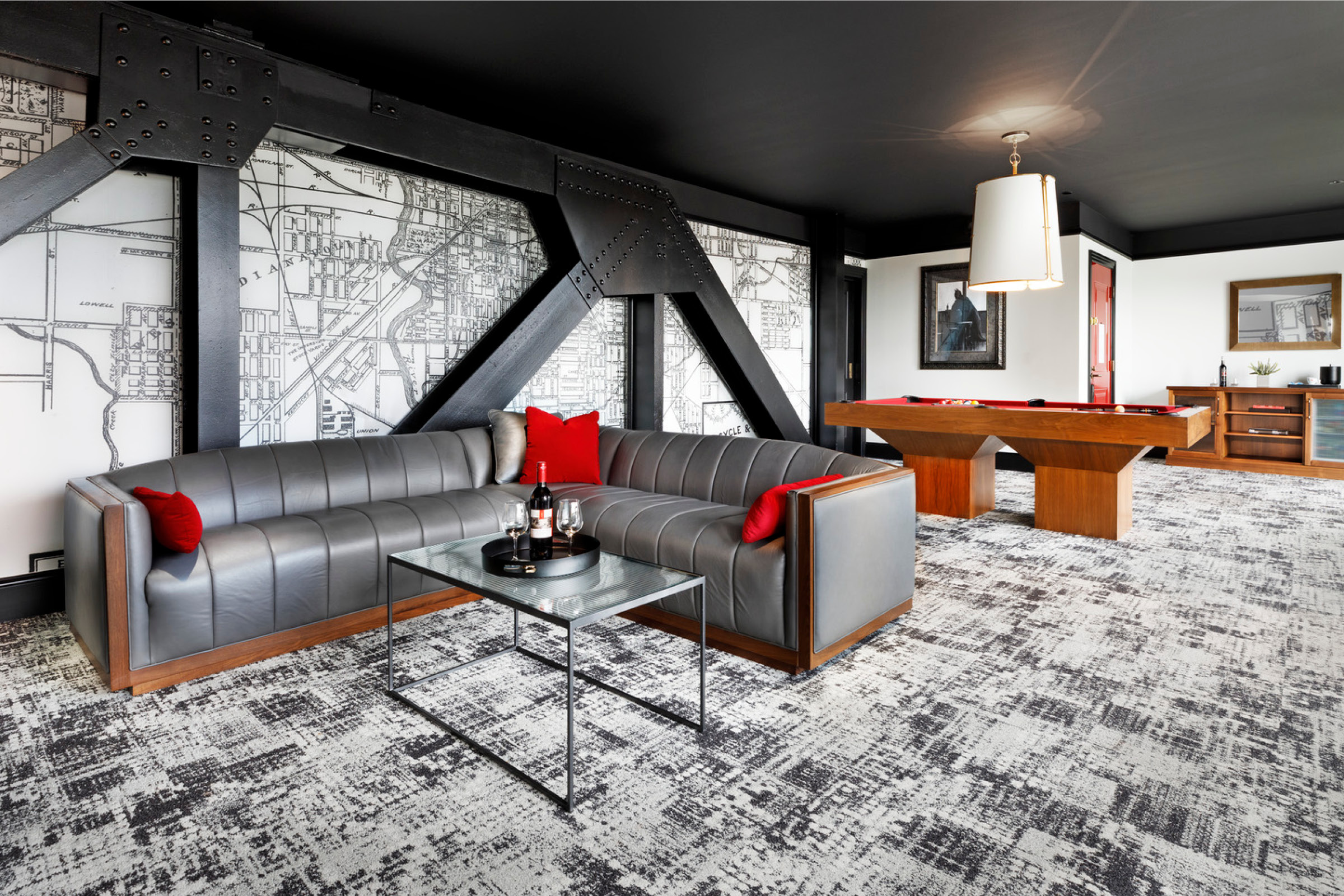
What Adaptive Reuse Requires and What It Rewards
Adaptive reuse is not simply renovation. It requires a different kind of thinking from the earliest stages of design.
Existing buildings bring constraints a blank site does not: historic fabric to interpret, systems to understand, and code pathways that often require creative navigation. The work often turns on early decisions about guestroom planning, vertical circulation, structural capacity, life safety, MEP distribution, and what interventions can be treated as qualified rehabilitation expenditures.
These are not simply quirks to solve around; they are often the very conditions that produce the most engaging guest experience.
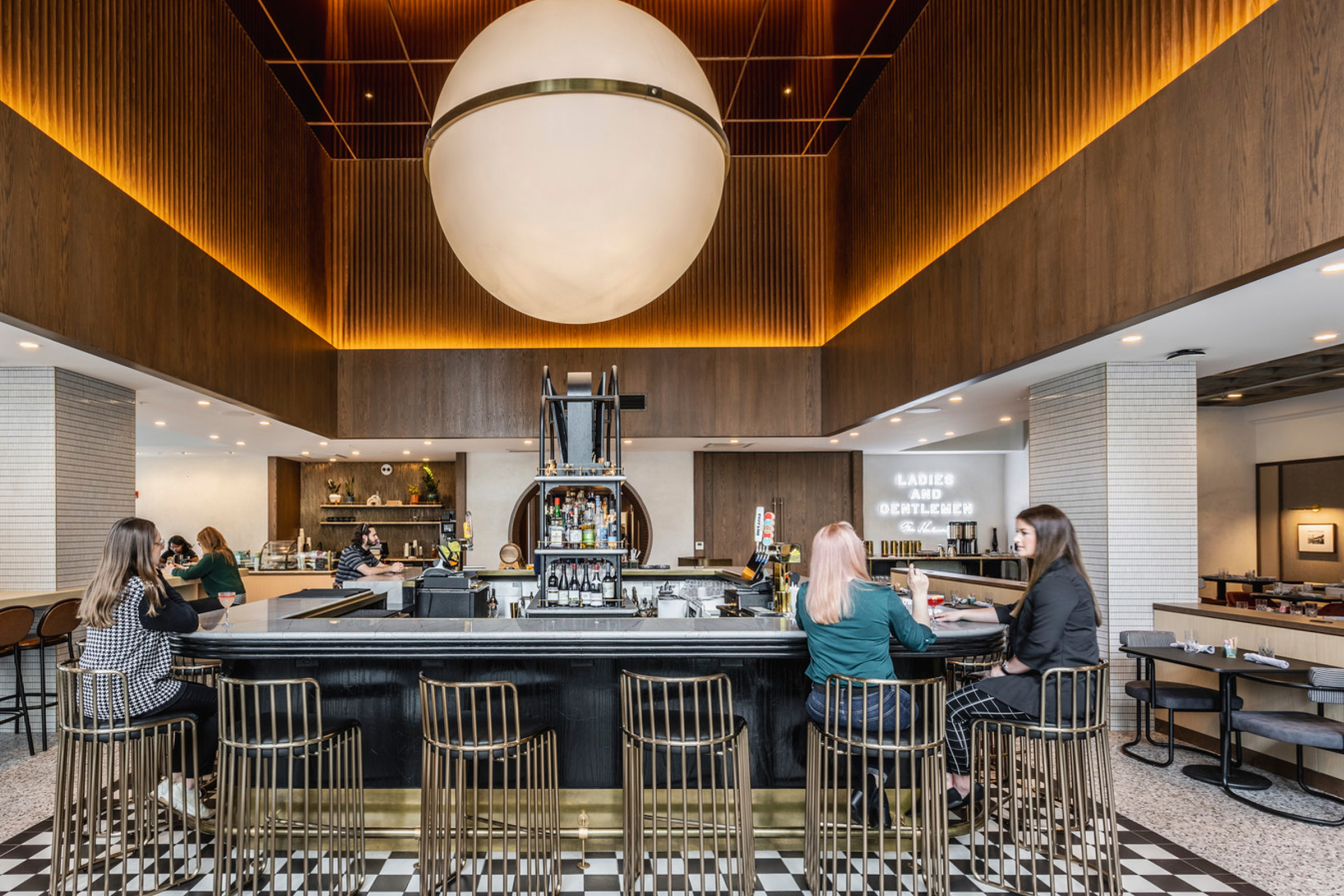
They also require a fundamentally different design approach. To leverage a historic building in the right way, the program has to grow from the building. The building’s logic must inform the spatial experience. What feels like a constraint in early design often becomes the defining characteristic of the finished hotel. The most successful projects find the intersection of character and operational efficiency, ensuring that a quirky historic layout does not lead to bloated labor costs or compromised guest experience.
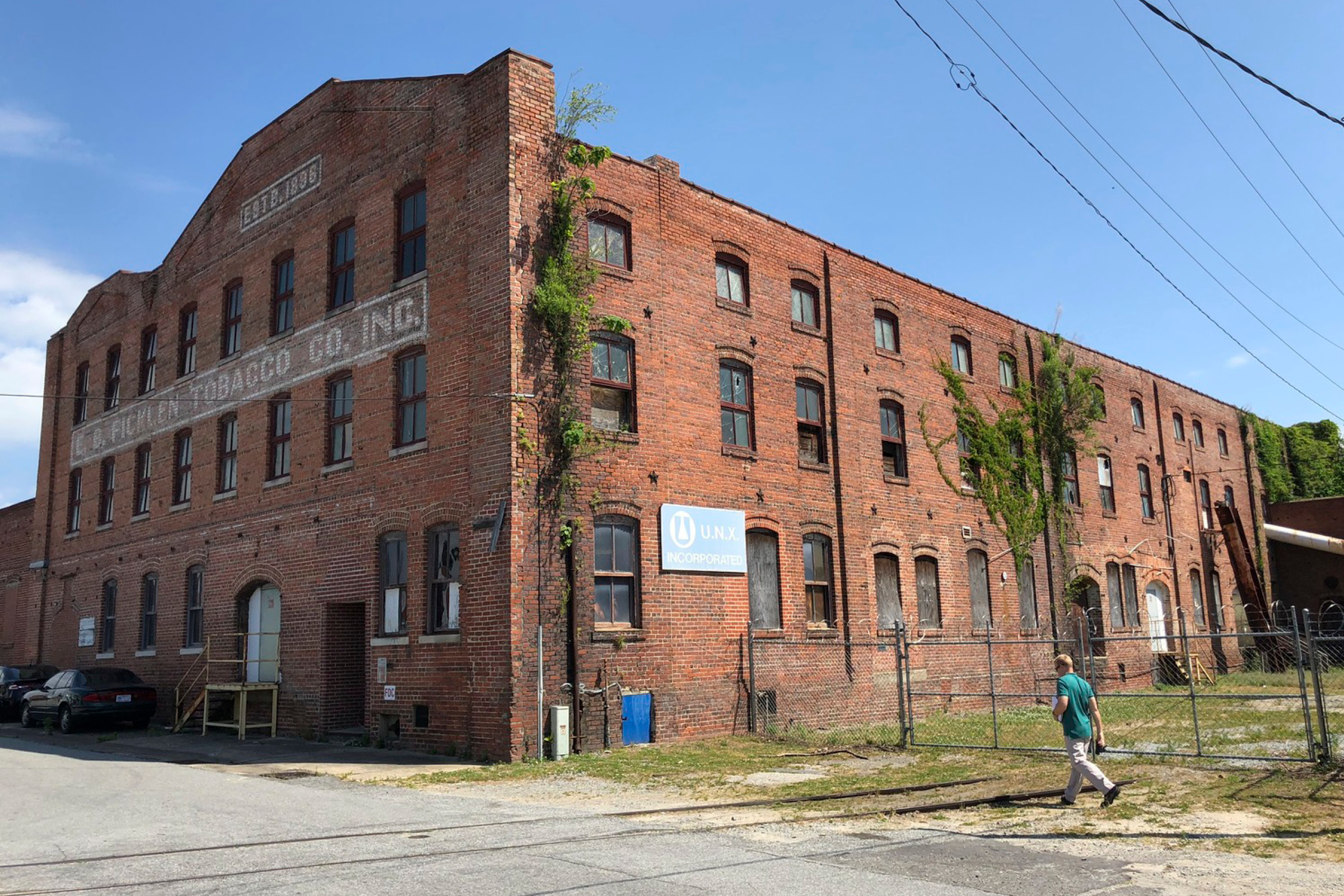


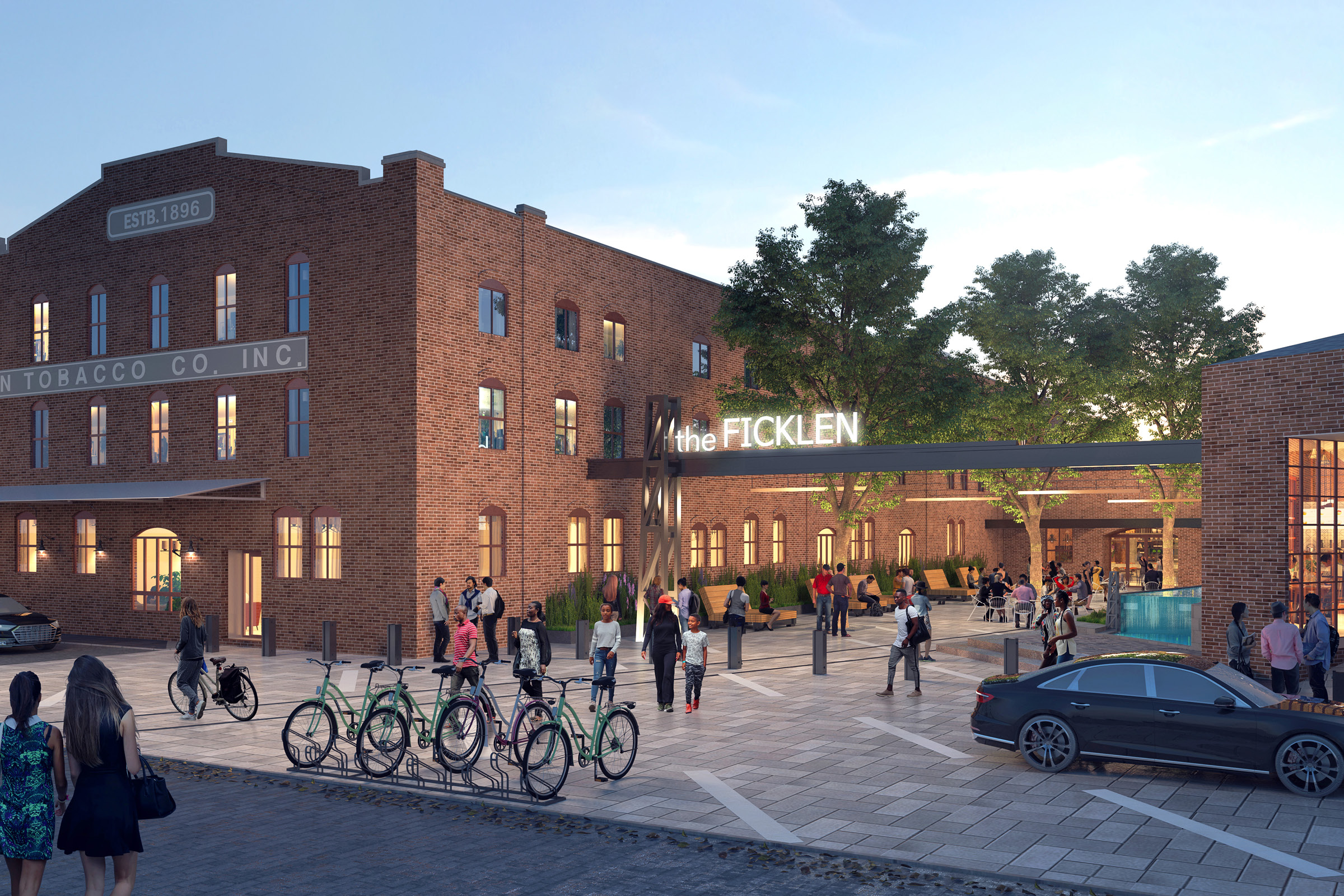
Adaptive Reuse as Strategic Development
As cost escalation, capital constraints, site scarcity, and sustainability pressures converge, adaptive reuse is becoming more than a preservation-minded design approach. In hospitality development, it is increasingly a strategic tool for unlocking value where new construction may be difficult, expensive, or less distinctive.
In many urban and legacy markets, the most compelling hospitality opportunities are not always found on vacant parcels. They are found in buildings whose location, structure, material character, and civic memory would be difficult or impossible to recreate today. In those contexts, existing buildings can offer a different path to value: one rooted in location, embodied investment and built-in identity.
When evaluated early and executed carefully, reuse can reduce structural scope, unlock incentive value, preserve embodied carbon, and create a differentiated guest experience rooted in place.


